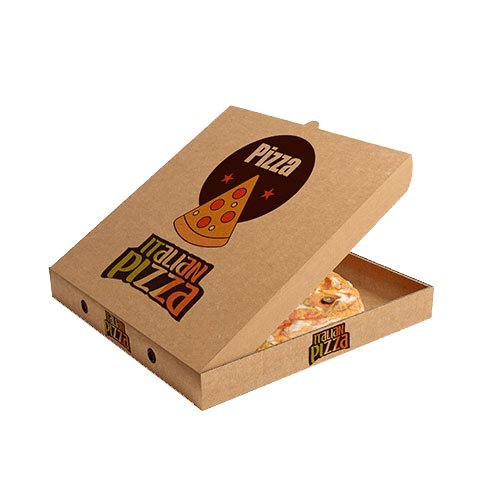
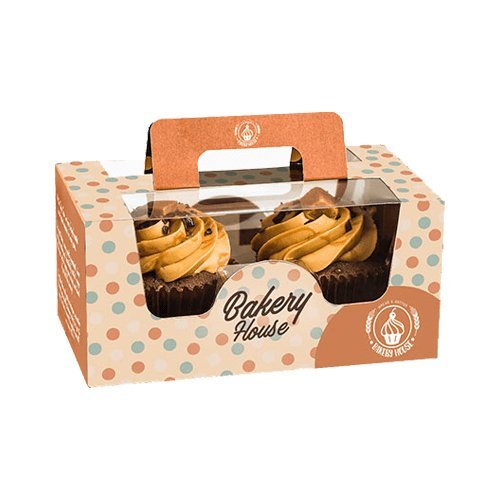
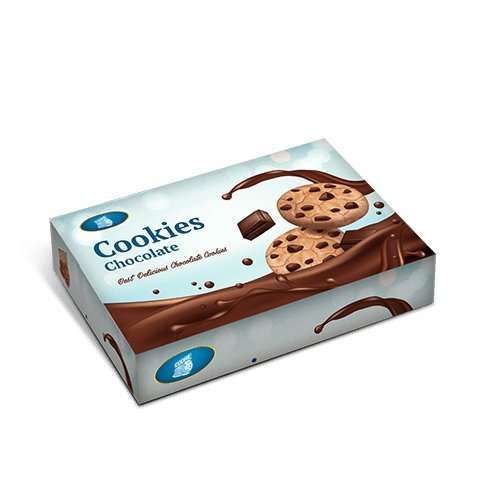
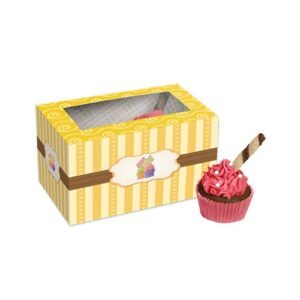
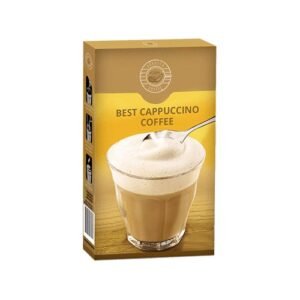
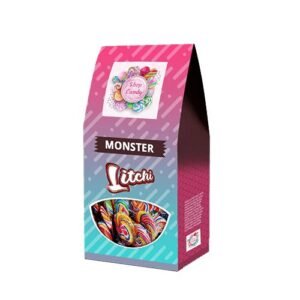
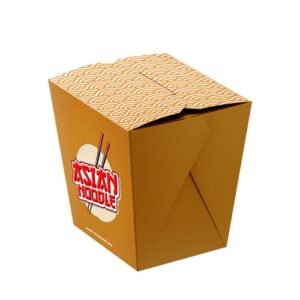
USA Box Printer appreciate biodegradable and compostable materials to be used to provide environmentally friendly solutions for food boxes. Food packaging is well-defined as a coordinated system of preparing food for transit, distribution, storage, retailing, and end-use with the goal of satisfying the ultimate customer at the lowest possible cost. Food packaging is an integral component of modern society; commercially produced food cannot be handled or supplied safely and efficiently without it. Food packaging is intended to create a barrier against moisture, air, light, and other environmental factors that might damage food quality and cause rotting.
USA Box Printer produce Eco-friendly custom food boxes which helps to extend the shelf life of food products and keep them fresh.
Protection and Preservation in All Aspects
Everyone is familiar with food business these days. Modern life is full of processed foods, and packaging technology plays a significant role in food safety by preserving and extending the shelf life of food products. Food packaging is the center of the modern food industry, and few commodities are sold unpackaged. Good packaging reduces waste and guarantees that the product maintains the desired quality throughout its shelf life. Despite its important and critical role, packaging is frequently viewed as, at best, somewhat redundant, and, at worst, a severe waste of resources and an environmental threat. The primary purpose of food packaging is to provide a viable method of protecting and transporting food commodities at a reasonable cost while meeting the demands and expectations of both customers and industries. Therefore,
USA Box Printer specifically develop eco-friendly boxes for food, just to protect it against chemical, biological, and physical changes.
Food packaging is important for safeguarding contents from infection, manipulation, and damage, as well as determining portion sizes and displaying product information. Labels on food packaging contain important information for consumers such as the product name, ingredients list, nutritional information, allergen warnings, expiration date, and storage recommendations. Clear and accurate labelling allows customers to make educated purchasing decisions and utilize the product safely. However, packaging technology must strike a balance between food safety and other concerns, such as rising energy and material costs, increased social and environmental awareness, and stringent pollution and municipal solid waste disposal requirements. The enclosing of food to protect it from environmental variables that could cause contamination, damage, or deterioration during transportation, storage, or sale must be taken into account.
Quality along with Safety
Packaging materials come in a variety of shapes and serve different purposes. The packing material must strike a balance between form and function. The optimal packaging material for a specific type of food is determined by the functions that the packaging should perform. Paper is typically utilized for temporary food containment and protection due to its high permeability and inability to seal with heat. To ensure that the packaged food is safe to consume, it must meet stringent safety and hygiene standards. Packaging materials should be non-toxic, inert, and free of any toxins that could seep into food because if your food packaging boxes does not meet the criteria of FDA, they will be rejected at the first step of launch. So, if you want to look through the extensive assortment of food packaging materials to find the right packaging solutions for your food products
USA Box Printer is the right place to explore.
Food packaging is critical in maintaining the quality, safety, and integrity of food products, as well as providing consumers with information and convenience. That’s why USA Box Printer hired a team of experts to guide you about every single detail you need to know before getting your custom food packaging boxes via email
sales@usaboxprinter.com.