In 2026, the true cost of “cheap” overseas packaging is no longer hidden it’s showing up in damaged products, rising return rates, and eroded brand trust. Businesses that once prioritized low unit costs are now facing crushed shipments, inconsistent material quality, and lead times stretching from 10 days to 10 weeks.
For modern e-commerce and retail brands, the smarter move is clear: Buy Custom Packaging Boxes from USA suppliers who deliver speed, engineering precision, and compliance-ready materials.
Why Buy Custom Packaging Boxes from USA in 2026?
Choosing a domestic partner is no longer just about patriotism it’s a strategic decision rooted in logistics, cost control, and resilience.
When you Buy Custom Packaging Boxes from USA, you gain:
- Faster lead times (days instead of months)
- Consistent material standards
- Lower freight risk and damage rates
- Easier compliance with evolving regulations
- Greater supply chain visibility
This shift isn’t optional it’s how competitive brands survive.
The Hidden Cost of Overseas Packaging
At first glance, overseas packaging appears cheaper. But experienced operators know better.
Here’s what’s really happening behind the scenes:
- Crushed products: Lower-grade corrugation fails under carrier pressure
- Higher returns: Damaged goods increase reverse logistics costs
- Brand damage: Poor unboxing experiences reduce customer loyalty
- Inventory risk: Long lead times force overstocking
- Cash flow strain: Capital is tied up in bulk orders sitting in transit
A $0.20 savings per box can quickly turn into thousands lost in returns and reputational damage.
Material Science: Corrugated vs. Rigid, and Why ECT Matters

Not all boxes are created equal and in 2026, material engineering is a competitive advantage.
Corrugated vs. Rigid Packaging
- Corrugated boxes: Lightweight, cost-efficient, ideal for shipping
- Rigid boxes: Premium feel, used for high-end retail but less efficient for transit
For shipping, corrugated is king but only when engineered correctly.
Understanding ECT (Edge Crush Test)
The Edge Crush Test (ECT) measures how much vertical pressure a box can withstand before collapsing.
- ECT-32: Standard strength for lightweight shipments
- ECT-44: Higher durability for heavier or fragile products
A top packaging supplier will recommend the correct ECT rating based on:
- Product weight
- Stacking conditions
- Carrier handling (USPS, FedEx, UPS)
Why it matters: Under-specifying ECT leads to crushed boxes. Over-specifying wastes money. Precision is everything.
Domestic Supply Chains and Just-in-Time Inventory
Speed isn’t just convenience it’s a financial strategy.
The “Domestic Speed” Advantage
USA-based suppliers enable just-in-time (JIT) inventory management, allowing businesses to:
- Order smaller batches
- Reduce warehouse storage costs
- React quickly to demand changes
Real-world comparison:
- Overseas supplier: 8–10 weeks lead time
- USA supplier: 7–10 days lead time
That difference transforms your entire supply chain.
Instead of holding months of packaging inventory, you can operate lean and protect your cash flow.
Sustainable Packaging and Compliance Readiness
In 2026, sustainability is no longer a marketing claim it’s a regulatory requirement.
What Modern Compliance Looks Like
Leading USA suppliers offer:
- FSC-certified materials (responsible forestry)
- Soy-based inks (lower chemical impact)
- Reduced carbon footprint due to shorter transport distances
Why Domestic Matters
States like California and New York are tightening packaging waste regulations. Domestic suppliers:
- Stay ahead of compliance standards
- Provide proper documentation
- Reduce risk of fines or market restrictions
This isn’t just about being eco-friendly it’s about staying in business.
Dimensional Weight Optimization: How Custom Sizes Lower Shipping Costs
One of the most overlooked cost drivers in shipping is dimensional weight (DIM).
What Is DIM Weight?
Carriers like UPS and FedEx charge based on:
- Actual weight or
- Box size (whichever is greater)
The Hidden Cost of “Air”
If your box is even 1 inch too large, you’re paying to ship empty space.
The Solution: Custom-Sized Boxes
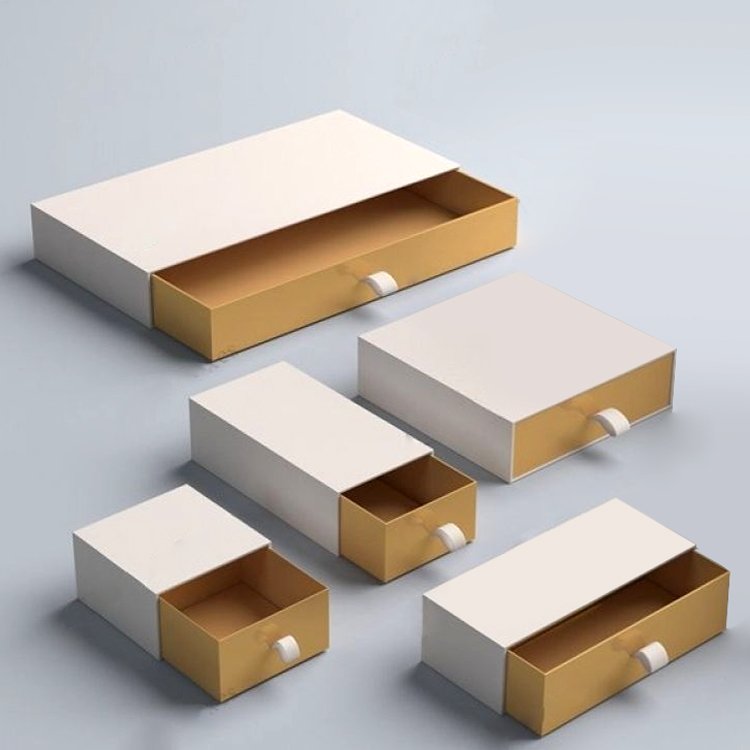
When you Buy Custom Packaging Boxes from USA, you can:
- Eliminate dead space
- Reduce filler material
- Lower shipping costs per order
Over thousands of shipments, this optimization can save tens of thousands annually.
DIY Branding vs. Engineering-Grade Structural Design
Not everything requires an engineer but the wrong assumptions can be costly.
What You Can Design Yourself
- Logo and branding
- Color schemes
- Typography
- Unboxing experience
What Requires a Packaging Engineer
- Structural integrity
- Dunnage (protective inserts)
- Compression strength testing
- Drop and transit testing
Great packaging is both visual and structural and both must work together.
Technical Specs: What a Top Supplier Provides
| Specification | Details | Purpose | Performance Impact | Sustainability Notes |
| Material Type | Corrugated (Single/Double Wall) | Shipping durability | Prevents crushing | Recyclable |
| ECT Rating | ECT-32 / ECT-44 | Compression strength | Reduces damage rates | Efficient material usage |
| Box Dimensions | Custom-fit sizing | DIM weight optimization | Lowers shipping cost | Reduces waste |
| Printing | Flexo / Digital | Branding | Enhances customer experience | Soy-based inks available |
| Certification | FSC-certified | Regulatory compliance | Market access & trust | Sustainable sourcing |
Pro Tip
Always request a physical prototype before committing to volume production.
A prototype allows you to test:
- Fit and product protection
- Real-world shipping durability
- Branding appearance under actual conditions
Skipping this step is one of the most common (and expensive) mistakes.
How to Vet a Top Packaging Supplier
Before choosing a partner, use this 5-point checklist:
- Prototype Availability
Can they produce and ship samples quickly? - Lead Times
Are turnaround times under 2 weeks? - Material Certifications
Do they offer FSC-certified materials and eco-friendly inks? - Structural Testing
Do they understand ECT, compression, and transit testing? - Engineering Support
Can they optimize for DIM weight and product protection?
If a supplier can’t meet all five, they’re not built for 2026.
Request a Structural Prototype or Custom Quote
If you’re still relying on overseas packaging, you’re likely overpaying in both cost and risk.
The smarter move is to Buy Custom Packaging Boxes from USA suppliers who understand:
- Material engineering
- Logistics optimization
- Regulatory compliance
Start with a structural prototype. Test it. Validate it. Then scale.
Because in 2026, packaging isn’t just a box it’s a critical part of your supply chain strategy.